
Sweet Tree Farm: Where The Grass Really Is Greener
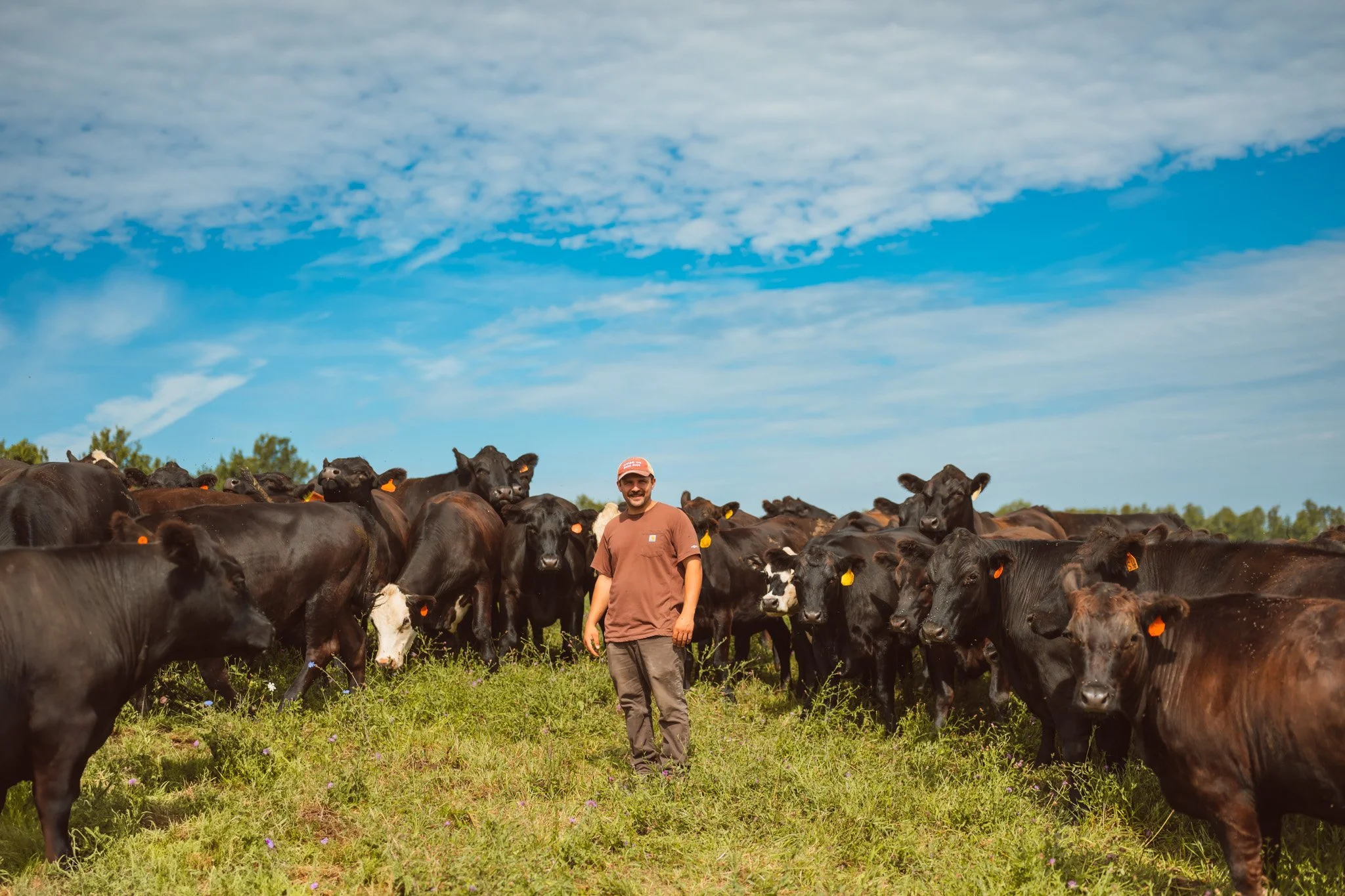
I was about to leave Sweet Tree Farm after my interview when I couldn’t resist the invitation to stay for lunch. A Capital Region local named John had arrived for his monthly food haul—a friendship first sparked years ago at the Troy Farmers Market. Arleigh Johnson served up house-made chicken sausage—spicy or garlic, take your pick—while John, Arleigh, and his father Frank traded stories around the table.
John’s loyalty runs deep. He doesn’t just buy grass-fed and finished meat—he’s pitched in at markets and pop-ups because he believes in the farm’s values as much as its flavor. That meal summed up Sweet Tree Farm perfectly: it’s not only about grass-fed beef, pork, or chicken. It’s about relationships, community, and food that means something.
On a quiet stretch of Carlisle countryside, the Johnson family has quietly reshaped how people think about food and farming.
Nearly three decades ago, Judy Pangman and Frank Johnson planted the seed that became Sweet Tree Farm—a name now tied to grass-fed beef, pastured pork, and sustainable practices. From day one, it was a true partnership. Judy, pregnant with Arleigh, devoured books on soil health and holistic grazing before “grass-fed” was even a buzzword. Frank, a fourth-generation farmer, had the grit to turn her plans into pasture. While Frank quit his job and leaned fully into farm life, Judy kept her job—and the family benefits—that kept the dream afloat.
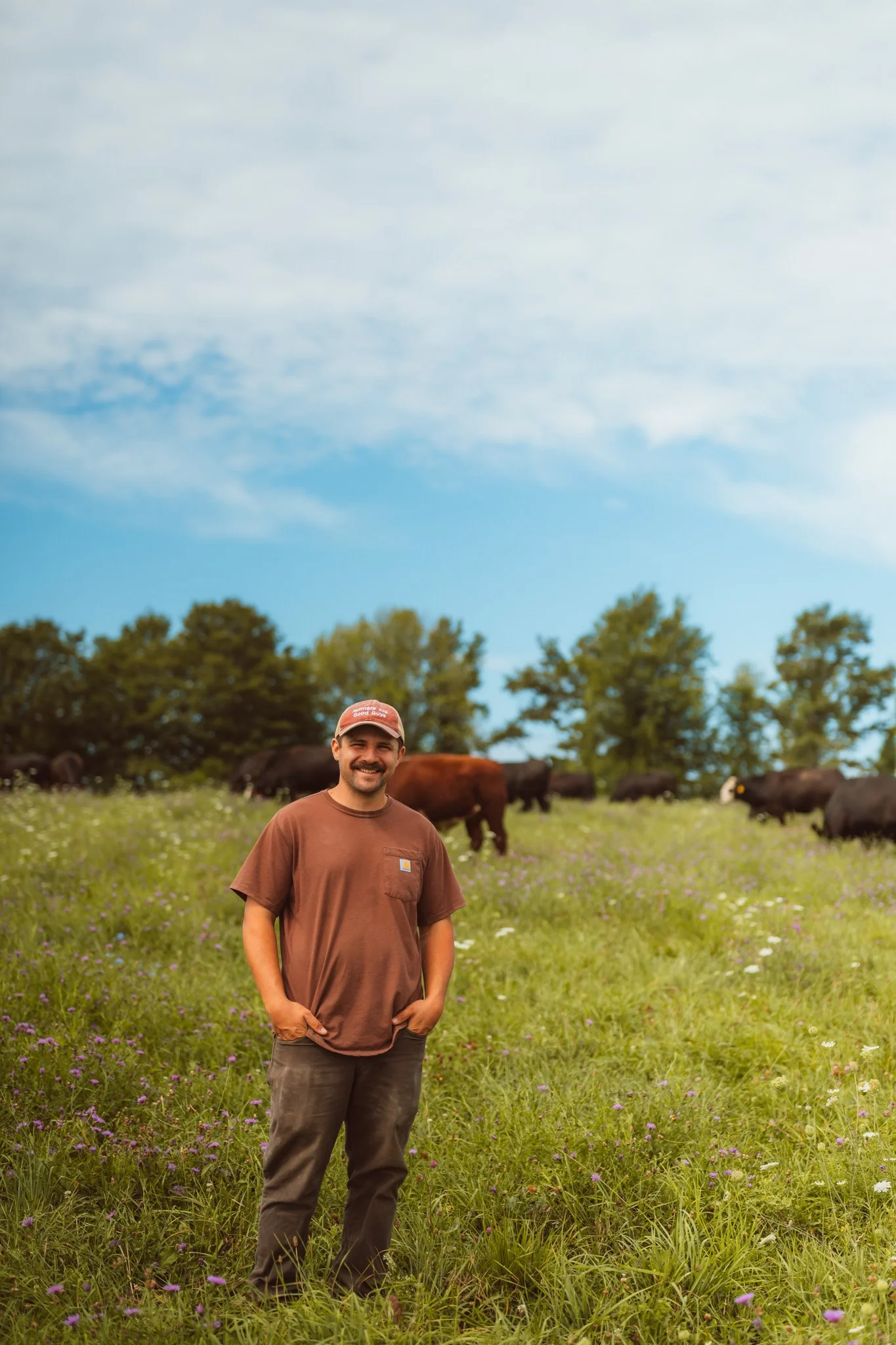
In 1997, the year Arleigh was born, Judy and Frank launched the farm with just two cows—Mamma and Baby—and a whole lot of determination. With one boot rooted in tradition and the other in rural ingenuity, Arleigh now bridges the old and the new, carrying Sweet Tree Farm forward with the same spirit that planted its first seeds.
“The farm and I are the same age,” Arleigh laughs. “We’ve grown up together.”
Even the name “Sweet Tree” speaks to Frank and Judy’s early creativity. While waiting for the herd to grow, the couple tapped maple trees and experimented with fruit-infused syrups. Those sweet beginnings still flavor Arleigh’s earliest memories. Though the maple lines were removed after logging, Arleigh jokes, “Maybe someday when I win the lottery, we’ll put them back.”
Judy and Frank were among the founding vendors at the Troy Waterfront Farmers Market, part of Albany’s Regional Farm and Food Project. Out of that original crew, only a handful remain—Sweet Tree among them. Rain or shine, the Johnsons have shown up every Saturday, building trust, friendships, and a loyal following.
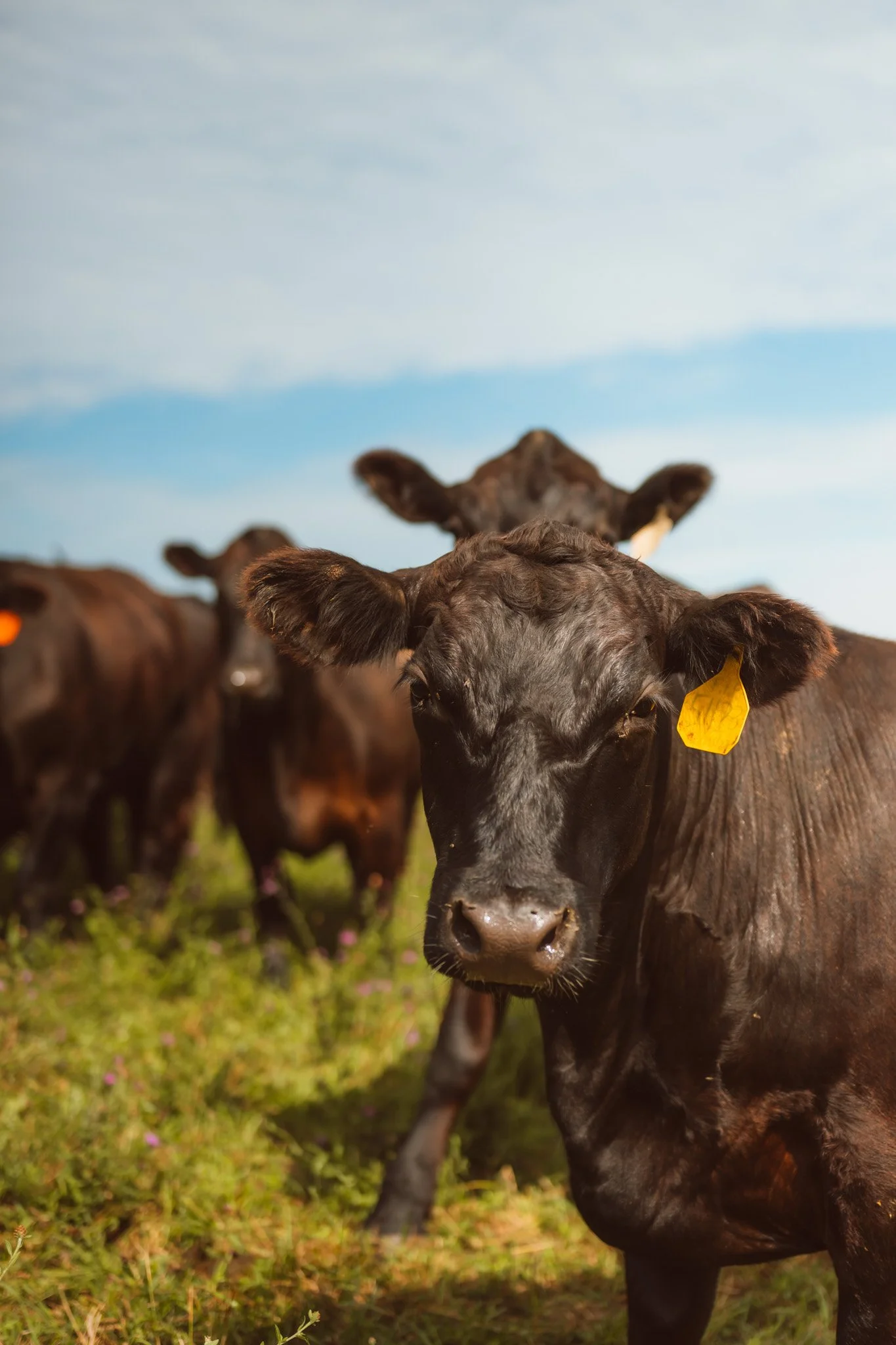
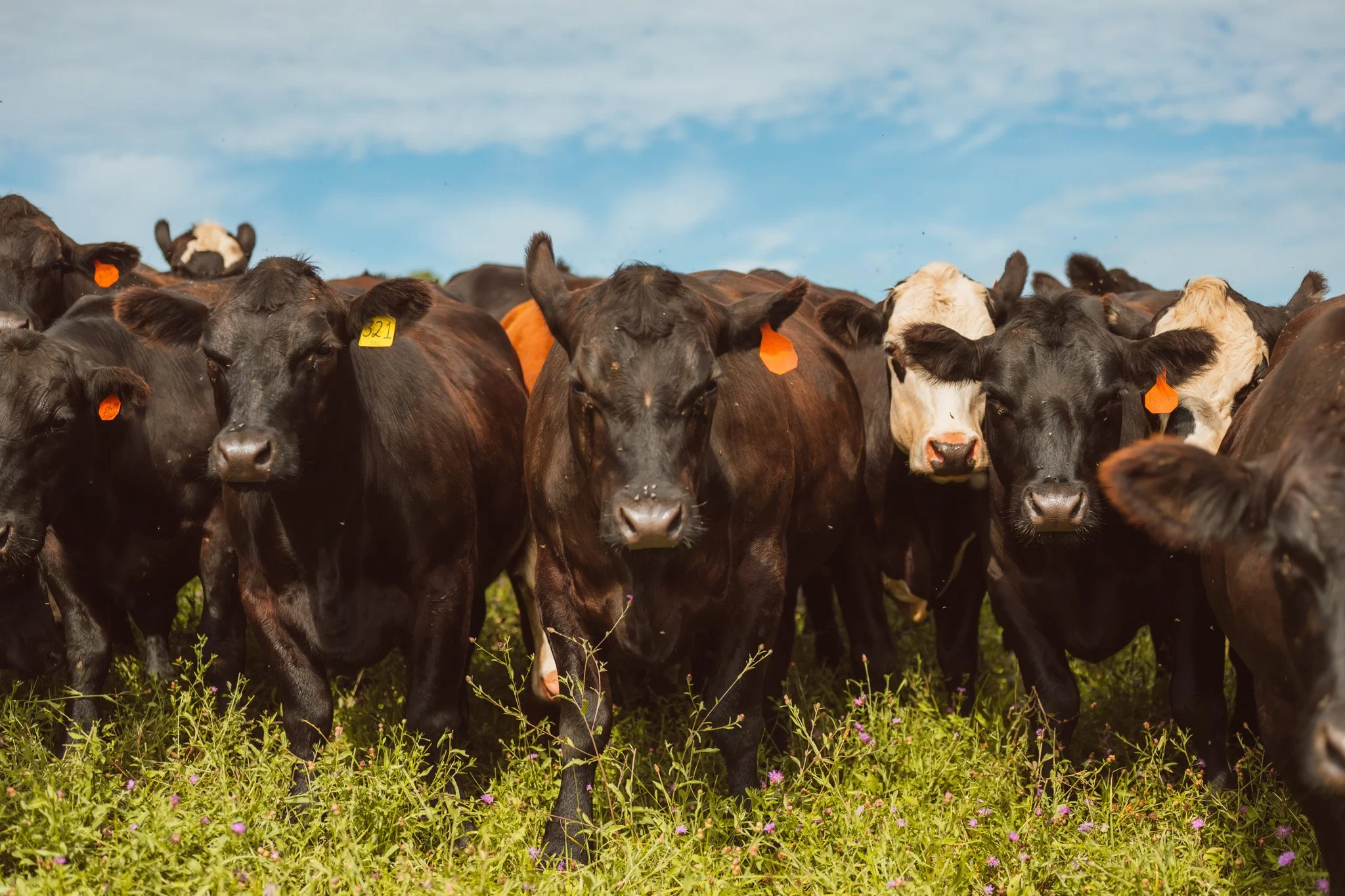
The farm itself has grown too: from 200 to 600 acres, with a herd of 250 grass-fed cattle, plus pasture-raised pork and chicken. Their meat can be found across the region, from Troy’s market to Honest Weight Co-op in Albany, Gade Farm in Guilderland, and farm-direct sales. But their true success isn’t measured in acreage or headcount—it’s in the conversations at markets, the recipes swapped with customers, and meals like that sausage lunch with John.
Though he’s now the man with the pasture-grazed plan, Arleigh wasn’t always sold on and even resented farm life. As a teen, weekend markets clashed with Friday night plans, and chores took the place of a “normal” social life. Yet those early mornings also taught him the rhythms of direct-to-consumer agriculture—and sparked an interest in butchering.
He honed his craft working in several slaughterhouses, mastering every cut and process. “I love helping families get the most out of every cut—showing them how to cook it, flavor it, and get creative,” Arleigh says. “It’s about demystifying meat. A lot of farmers can’t fully explain their cuts—that’s where I bring value.”
That philosophy followed him through SUNY Cobleskill, where he earned a degree in Agricultural Business and still teaches in the meat processing lab. An internship at a large chicken processing plant briefly tempted him toward industrial agriculture, but the scale and detachment pushed him right back to his roots.
“Here,” Arleigh says, “I know every animal, I walk every pasture. It’s personal. It’s my home.”
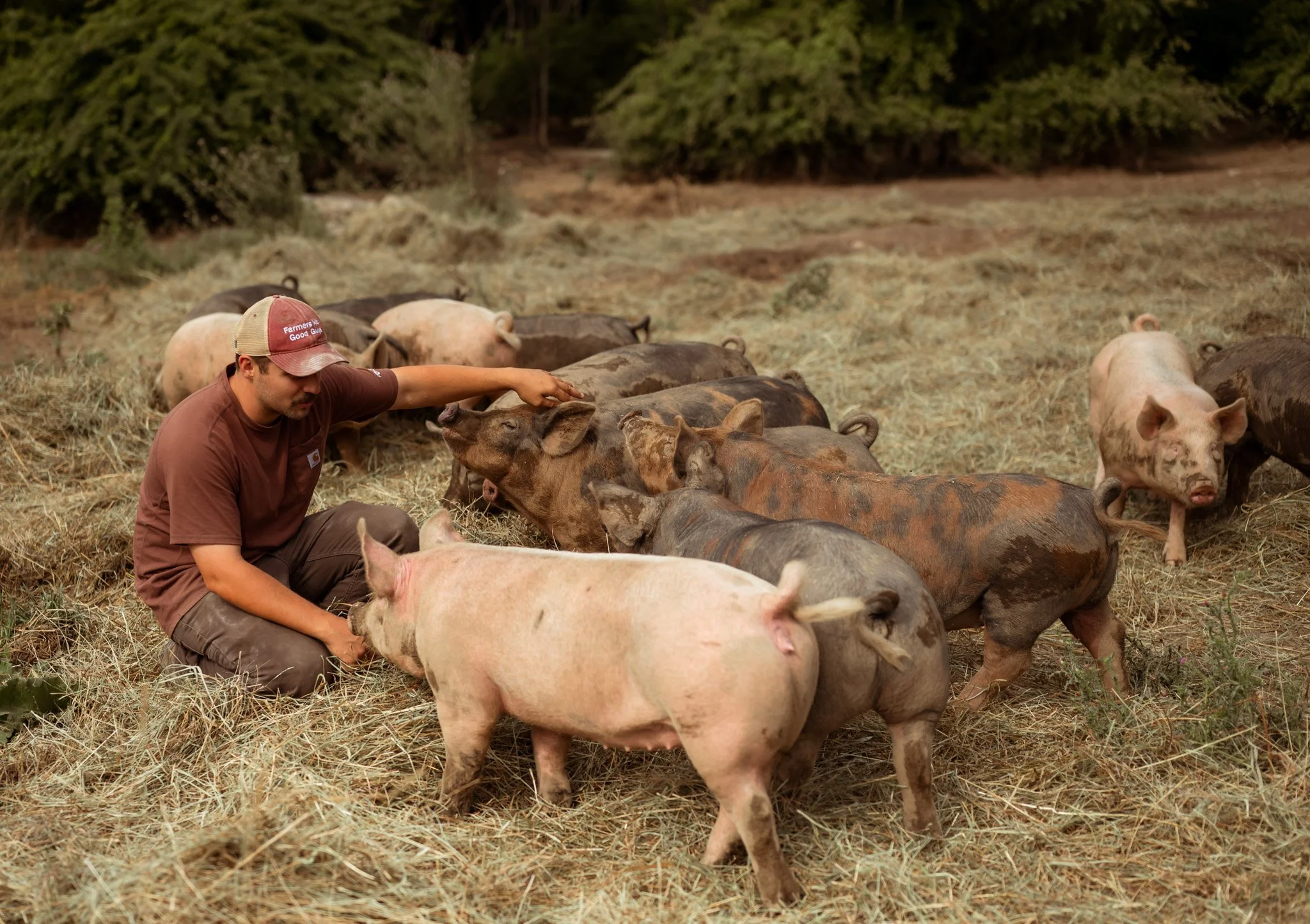
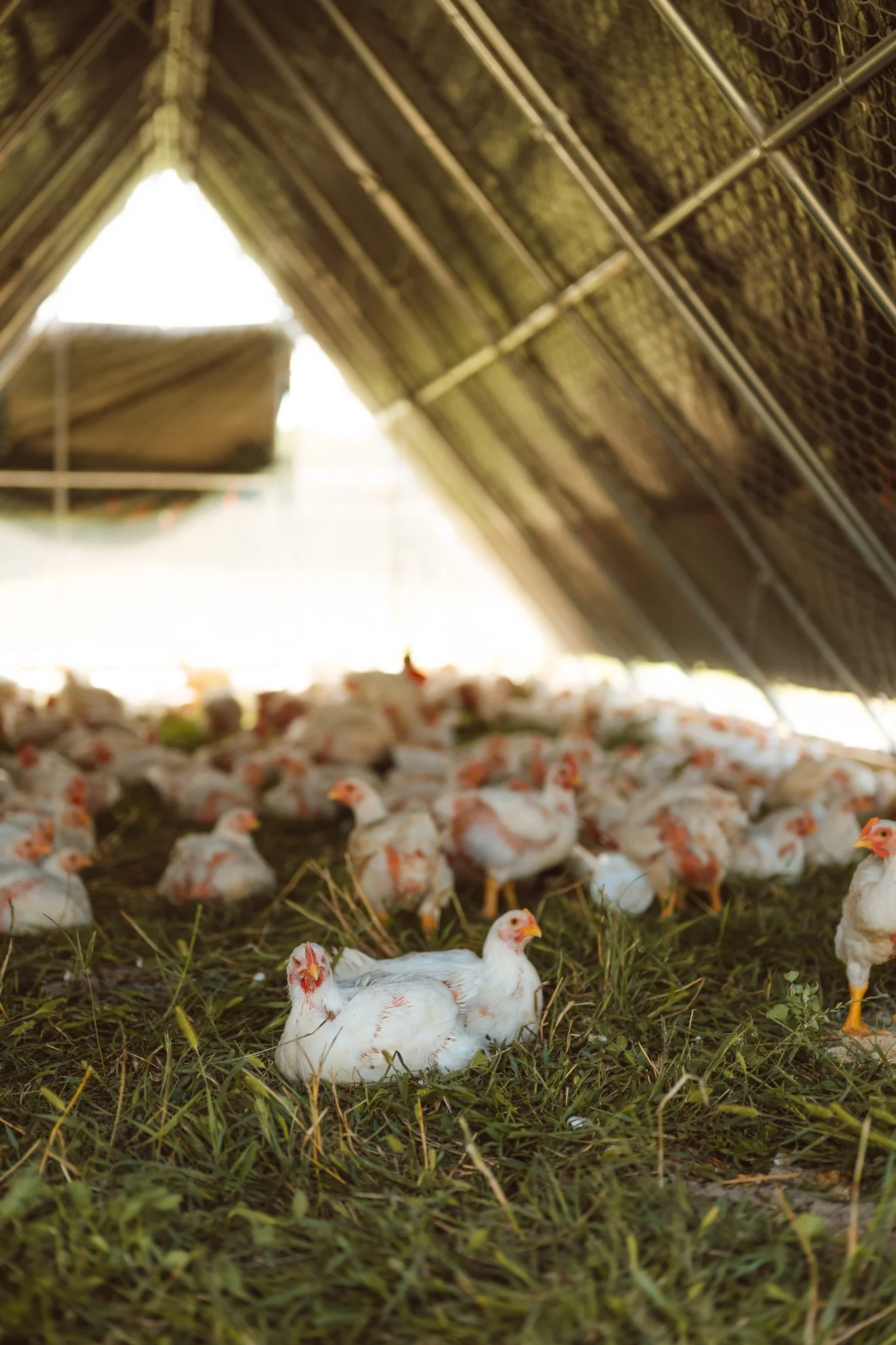
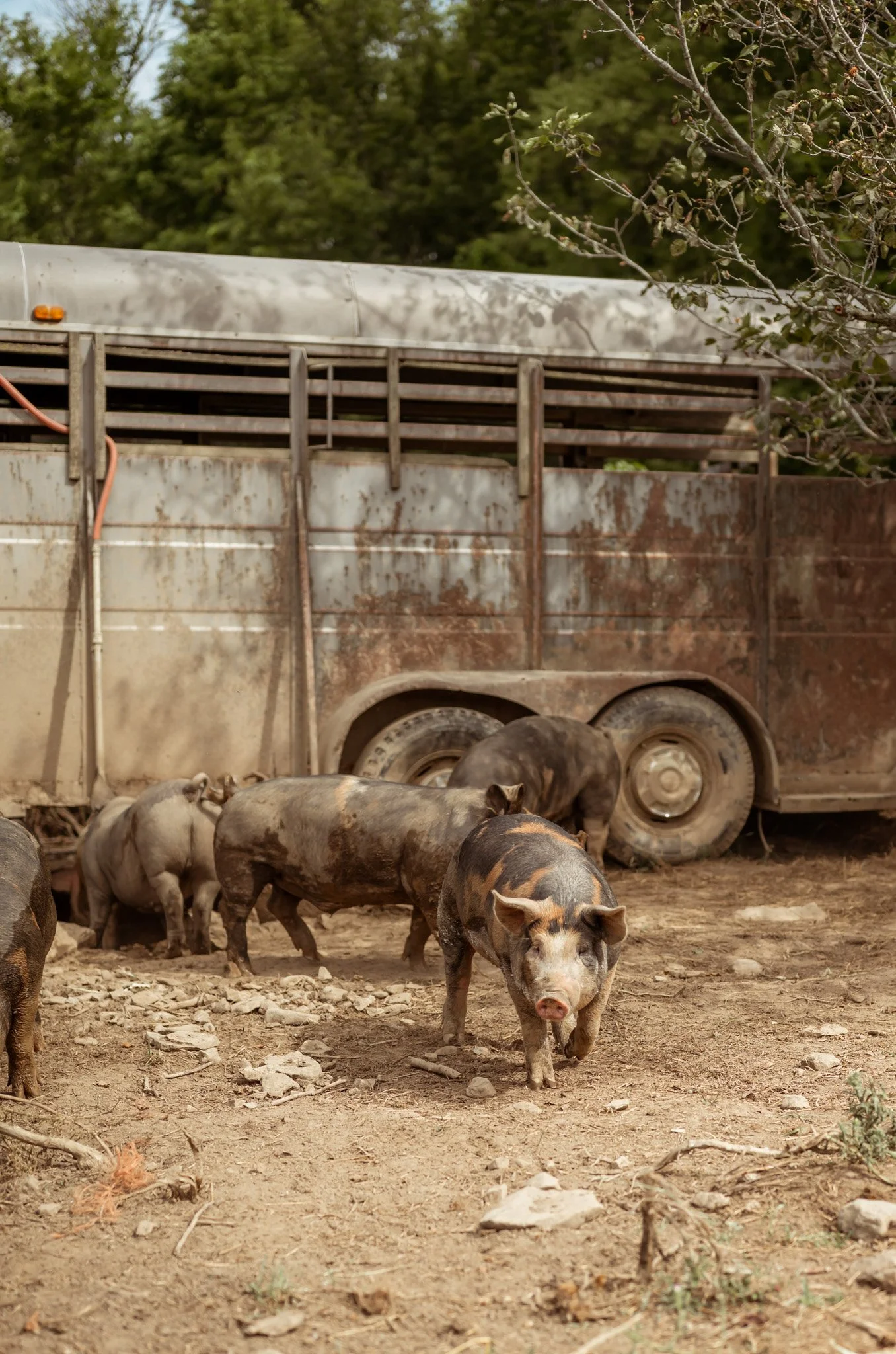
Sweet Tree Farm works with nature, not against it. Their approach is holistic—limiting dewormers to support a healthy ecosystem—and sustainable, repurposing old trailers as moveable pig homes or turning vintage farm equipment into portable chicken feeders instead of relying on a single silo. Every practice reflects care, respect, and a touch of rural ingenuity.
Rotational grazing is the backbone of the system, protecting soil, building fertility, and letting animals thrive. “When cattle graze on healthy pastures, they’re happier, healthier, and the meat tastes richer,” Arleigh says. “I know I’m doing a good job when our animals are gaining weight, look happy, and behave naturally.”
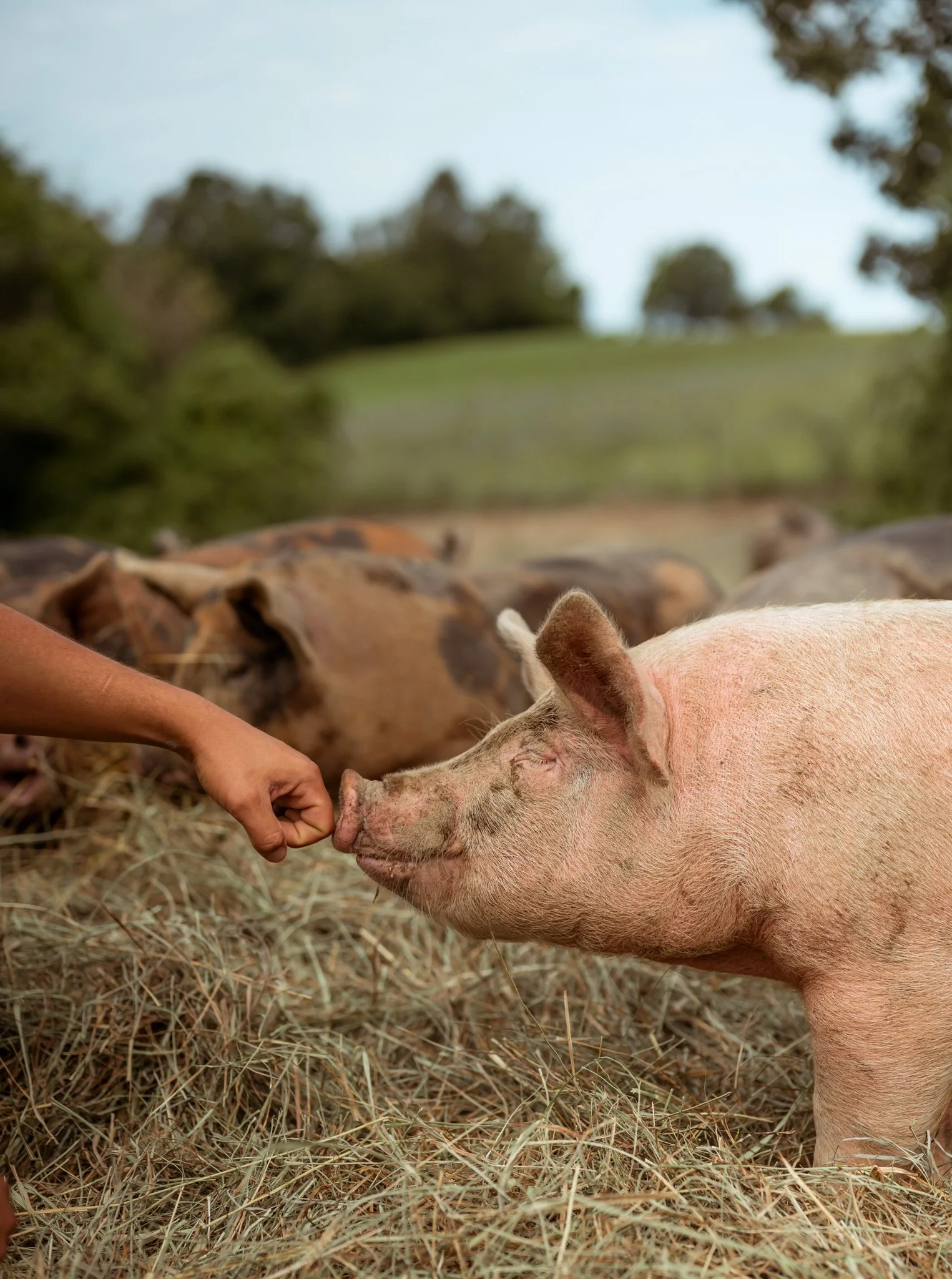
Though a skilled butcher, he sees himself as a farmer first—watching pigs' rustle, chomp and play through rosebush pastures or cattle roam and run freely. “Seeing them live their best life,” he says, “is the real reward.” And that care shows up on the plate.
And for some, never a plate at all, “Fred is our family cow,” Arleigh grins. “He’ll never be sold or processed—he’s just part of the family. We like to keep a few pets around.”
Sweet Tree remains a family affair. Judy’s vision, Frank’s steady hand, and Arleigh’s innovation have built a farm that educates, nourishes, and connects. When Frank fell ill, Arleigh’s brother Greydon returned from college to help, stepping seamlessly into the rhythm of chores and cattle care. His presence kept the farm running when it mattered most.
What Makes Sweet Tree Farm Special?
Pure pasture power: 100% grass-fed, grass-finished beef that’s local, healthy, and delicious.
Soil as secret sauce: Rotational grazing keeps the land fertile for generations.
Farm-to-friend connection: Customers don’t just buy meat—they know the farmers behind it.
Meat made magical: Arleigh shows families how to cook, slice, and savor every cut.
From two cows to 250, from maple syrup to grass-fed beef, Sweet Tree Farm embodies growth, perseverance, and heart. As I left that day, full of spicy sausage and conversation, one thing was clear: Sweet Tree isn’t just rooted in Schoharie County soil—it’s rooted in people.
ROOTED
Interviewed and Authored by SEEC Associates, August 2025
Photos taken by Roslyn Rose Photography




RESOURCE BIN
Human
Judy Pangman – Co-founder and visionary of the farm’s guiding principles
Frank Johnson – Co-founder, 4th-generation farmer, operational lead
Arleigh Johnson – 5th-generation farmer, butcher, educator
Greydon Marlow – Arleigh’s brother; stepped in during family illness to help with chores
John Kilcher – Capital Region local and loyal customer
Fun Fact: Judy’s engagement “ring” was Ruby, a Milking Devon cow from Cooperstown’s Farmers’ Museum (Now Fenimore Farm)—a symbol of her farm-forward future.
Physical
Troy Waterfront Farmers Market – Beef, pork, chicken, maple syrup (Saturdays)
Honest Weight Food Co-op, Albany, NY – Beef
Gade Farm, Guilderland, NY – Beef, pork
Farm Pickup – By appointment: 138 Karker Road, Cobleskill, NY
Financial
John May Farm Safety Fund (NYCAMH) — Funding to support farm safety improvements, helping farms implement safer practices for workers, animals, and equipment.
Soil & Water Grant – Supports infrastructure upgrades that protect soil and water resources, including projects like feeding pads, erosion control, and sustainable farm management practices.
Other helpful grants for farmers:
USDA Programs: Rural Energy for America Program (REAP) – grants & loans for renewable energy and efficiency
State-Level Grants: NY Grown & Certified Infrastructure & Technology Grant Program, Agricultural Environmental Management (AEM) program
To find and apply for these grants, use the NYS Grants Gateway or Grants Opportunity Portal.
Intellectual/Industry
Regional Farm and Food Project (Troy Waterfront Farmers Market) – Founding vendor participation, direct-to-consumer experience
SUNY Cobleskill – Agricultural Business Degree, Meat Processing Lab
Farm Tours & Community Programs – 4-H groups, local schools, farm education
Networking/Co-ops – Collaboration with Honest Weight and other regional farms for best practices, marketing, and customer engagement
Industry Publications / Reading:
Grassfed Exchange – newsletters, market insights
The Grassfed Journal – pasture-based livestock & regenerative grazing
Beef Magazine – conventional & grass-fed beef trends
NCBA Publications – research, sustainability, market updates
Stockman Grass Farmer – holistic grazing & soil health
Digital
Email: johnsoa987@gmail.com
Website: https://sweettreefarmny.com
Instagram: @sweet_tree_farm
Feature Story: Planet Forward – Sweet Tree Farm
For more information contact marketing@seecny.org.
To read more ROOTED stories click here.